

The Fish For Life project implementation team has organized, in these past two weeks, several meetings with landowners from Bengești-Ciocadia, locality situated along the Gilort River. These lands have been selected, based on studies, as the best areas contributing to the improvement of the riparian forest habitats connectivity along the river sector, which can also be integrated with shore stabilization measures. The owners were identified in
Category: News

Echipa FishForLife se mărește
Colegii de la Agenția pentru Protecția Mediului Gorj își măresc echipa ce este implicată în implementarea proiectului Fish for Life (cu perioada de implementare 01/09/2017 – 31/03/2022). În temeiul HG nr.286/2011, APM Gorj organizează concurs pentru ocuparea pe perioadă determinată a postului de asistent manager, în afara organigramei. Concursul se organizează la sediul Agenţiei pentru Protecţia Mediului Gorj, în data de 2 martie 2021, ora 10.00 – proba scrisă și în data de 4 martie 2021, ora 14.00 – interviul. Pentru înscriere, candidaţii vor depune dosarul de concurs la Agenţia pentru…
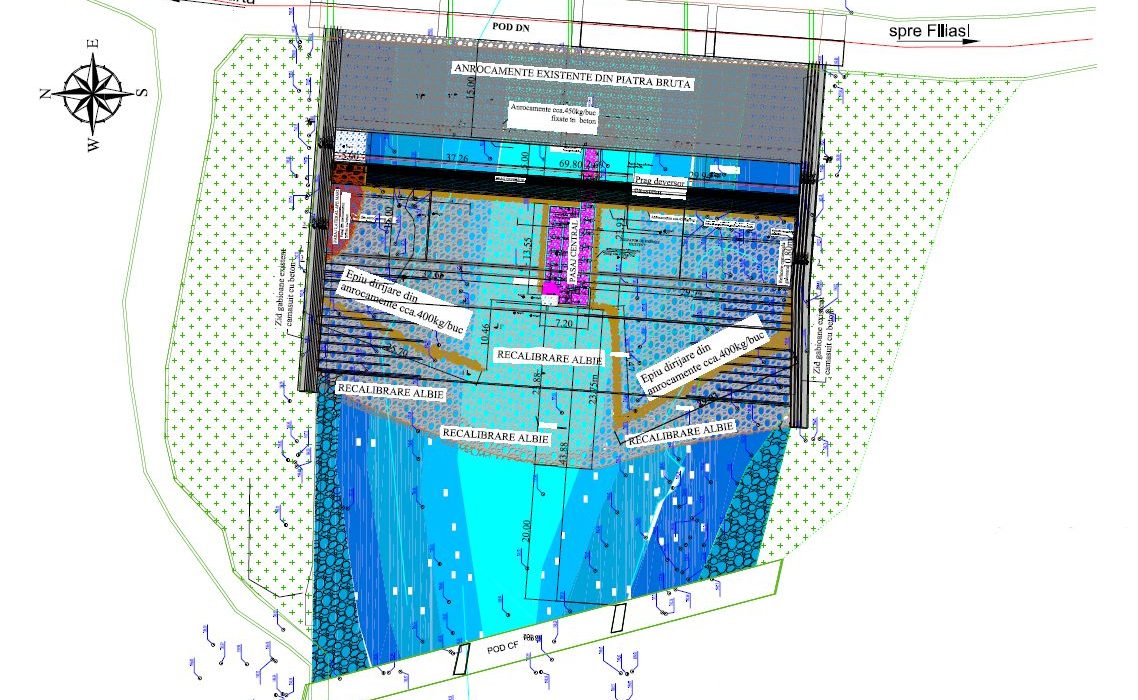
Completion of technical project for the passage from Targu Carbunesti
EPA Gorj received and approved the technical project for the construction of the second passage for fish on Gilort River, at the overflow threshold of the bridge on DN67B, in Targu Carbunesti. The existing spillway threshold is almost 4 m high, which is why fish of the species targeted by the project cannot cross it. In order to allow their passage, it was decided to build a "staircase with vertical slots" that includes 22 basins (delimited by vertical slots).
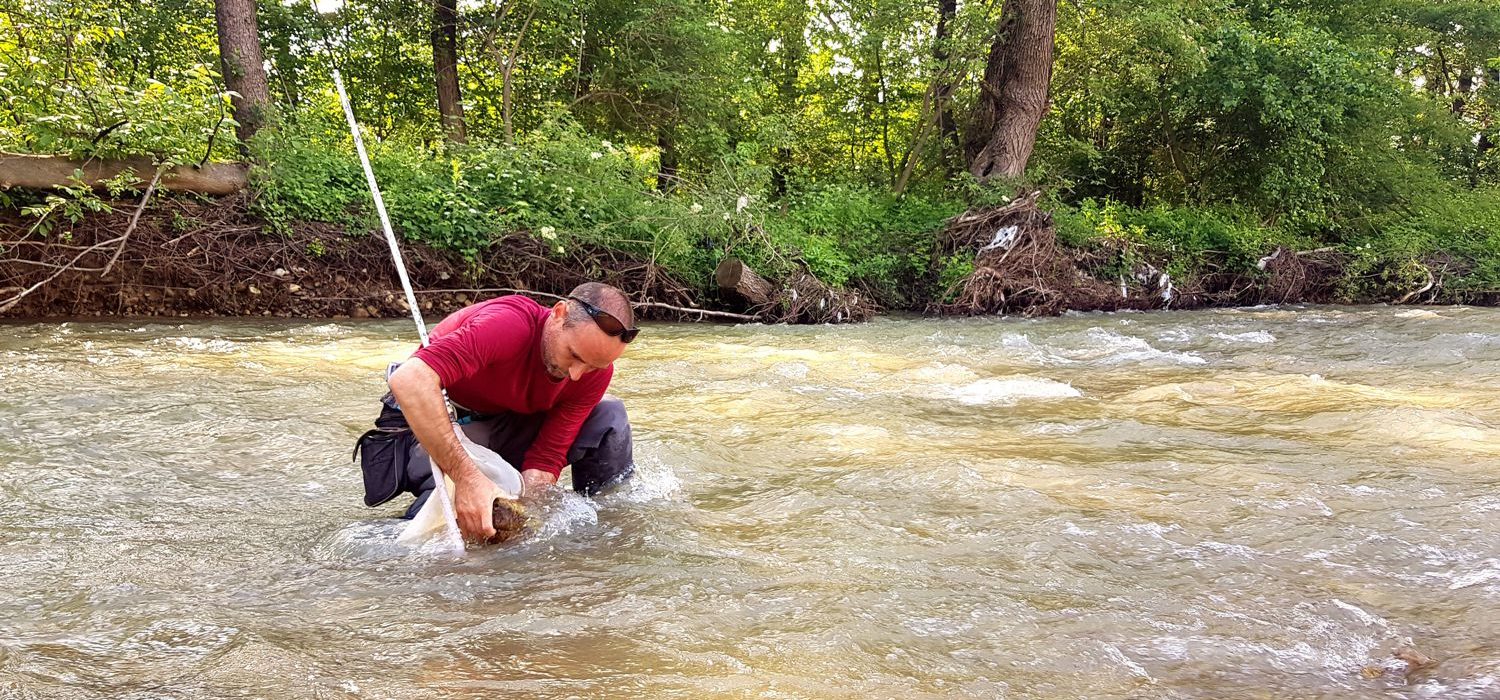
Invertebrate inventory
The project implementation team completed the water quality assessment report based on aquatic invertebrates. The purpose of the report was to have a detailed picture of the species composition and water quality class on Gilort River. Aquatic invertebrates are extremely effective tools in assessing water quality due to the large populations with varying degrees of tolerance to various changes in the forms of environmental pressure. They also have a relatively long life cycle and different ecological roles and are relatively easy to collect, identify and classify.
 English
  Română